

BMW Neue Klasse: Why the Next Generation of BMW Design Is Such a Big Deal
The BMW Neue Klasse represents one of the biggest changes in the company’s modern history. With a completely new design language, advanced digital technology and a new generation of electric performance, BMW is using its famous 3 Series as one of the key vehicles in a new era for the brand.
For decades, the BMW 3 Series has been at the heart of the BMW range. From diesel models such as the 320d and 330d through to petrol-powered 330i, 340i and legendary BMW M models, the 3 Series has long represented the combination of everyday usability, driving enjoyment and performance that defines the brand.
Now BMW is preparing for one of the most significant changes in the model’s history. The new fully electric BMW i3 is the second production model to introduce BMW’s Neue Klasse technology and design philosophy, while also representing a new chapter for one of the most important model families in the company’s history.
What Is BMW Neue Klasse?
Neue Klasse translates as “New Class”, but this is much more than simply the name of a new BMW platform.
BMW describes Neue Klasse as a fundamental new generation for the company, bringing together a new design language, new electric drivetrain technology, advanced digital systems and a new approach to driving dynamics.
In other words, BMW is not simply introducing a new car. It is changing the underlying technology and visual identity that will influence future models across the BMW range.
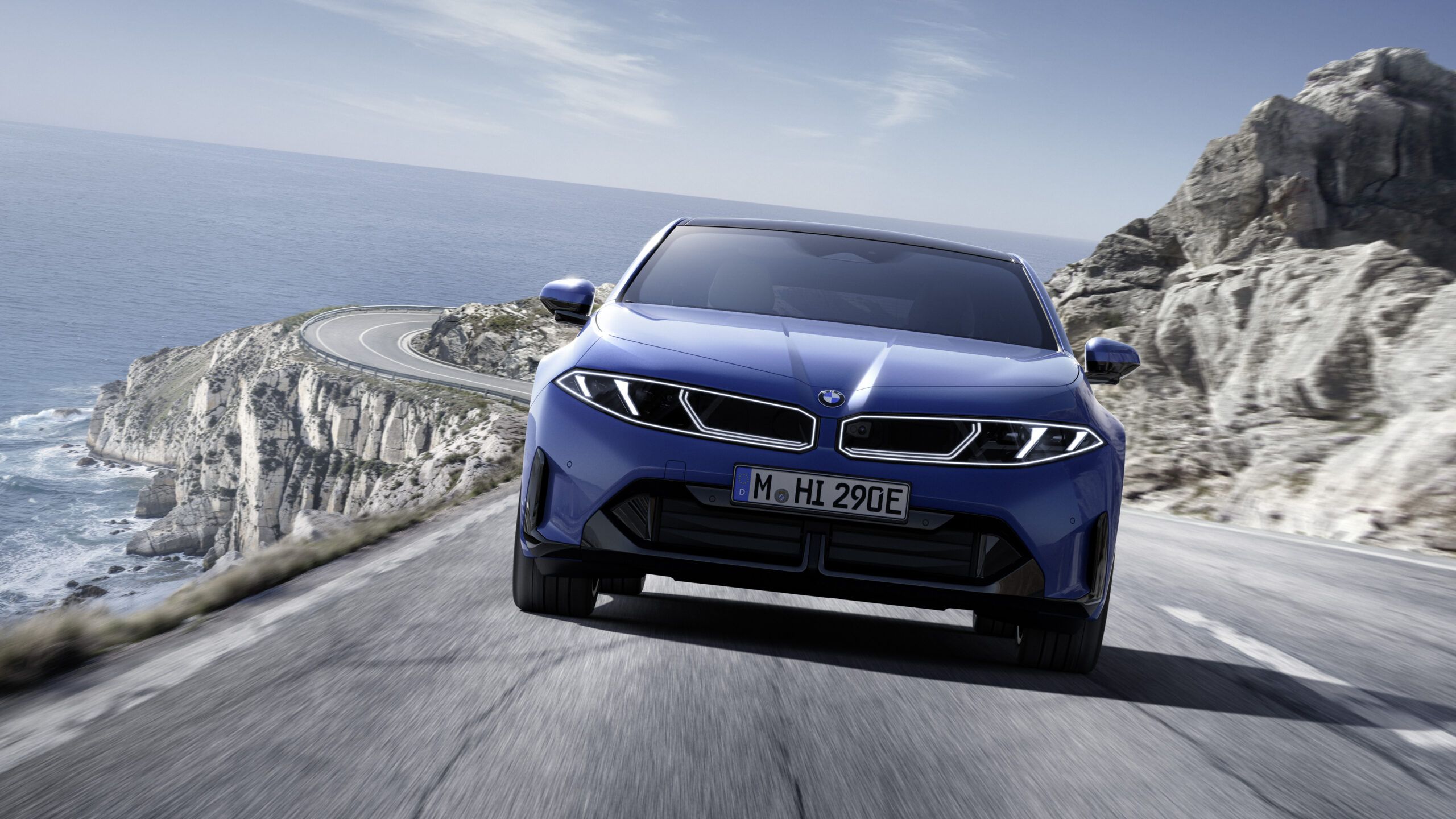
The new BMW iX3 was the first production model to introduce Neue Klasse technology, with the new BMW i3 following as the second major step in the transformation.
What makes this particularly important is that the influence of Neue Klasse is expected to spread well beyond just a small number of specialist electric vehicles. BMW has made clear that the technologies and design principles introduced through Neue Klasse will influence a much broader range of future BMW models.
A New BMW Design Language
Perhaps the most immediately noticeable part of Neue Klasse is BMW’s new design language.
BMW has spent the last few years experimenting with increasingly dramatic styling, particularly around the famous kidney grille. Neue Klasse takes a noticeably different direction.
The new design is cleaner, more minimalist and more focused on the essential proportions that have historically defined BMW.
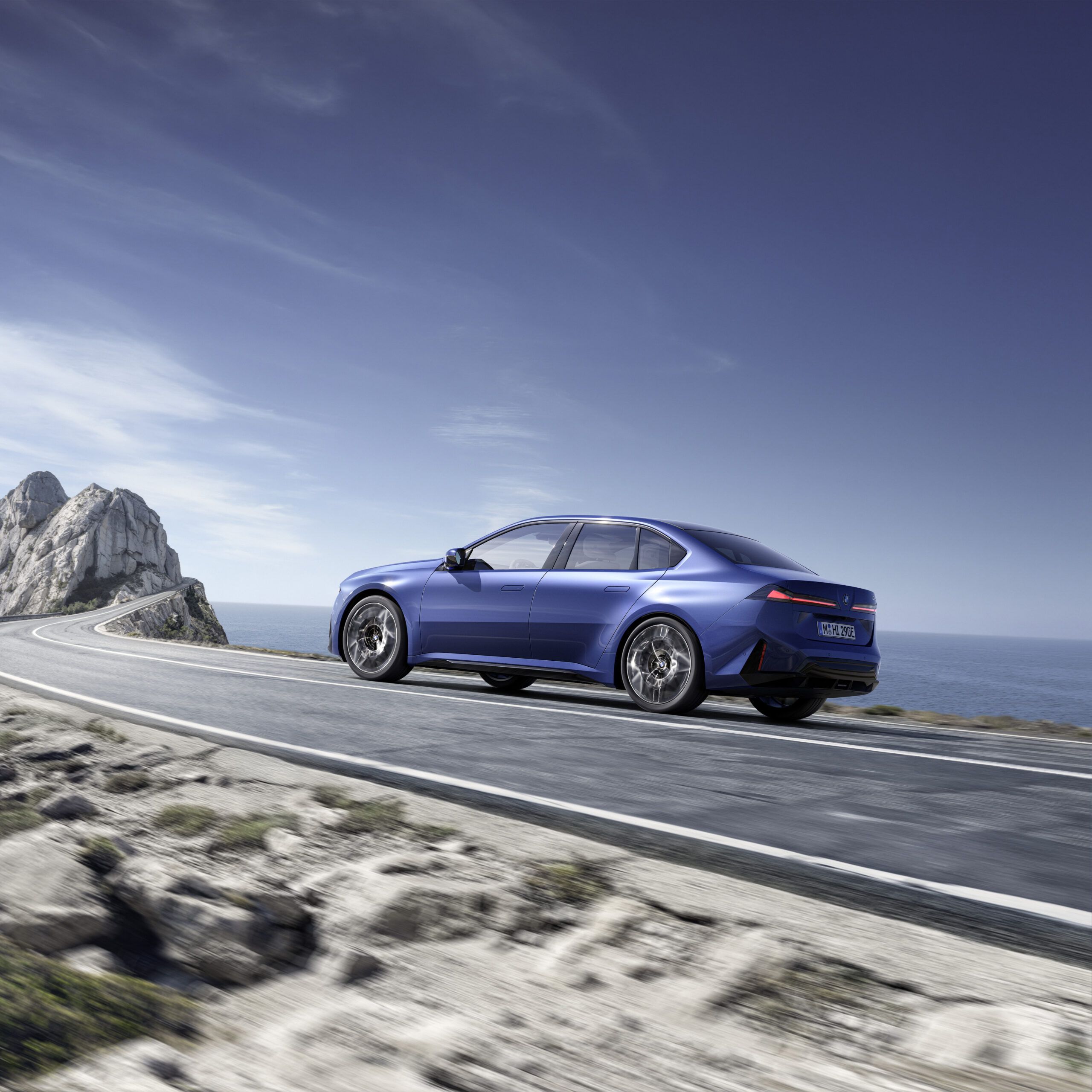
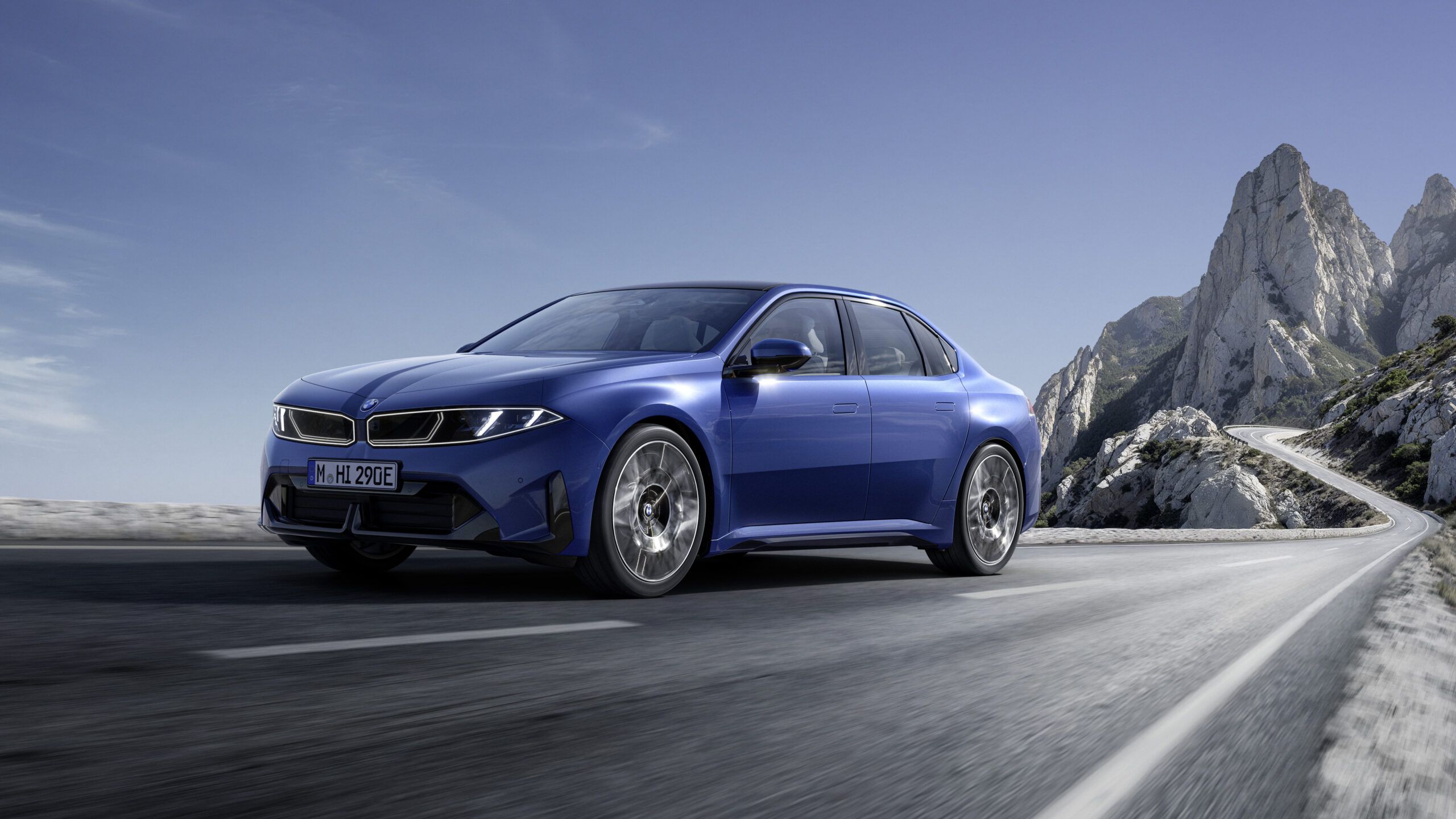
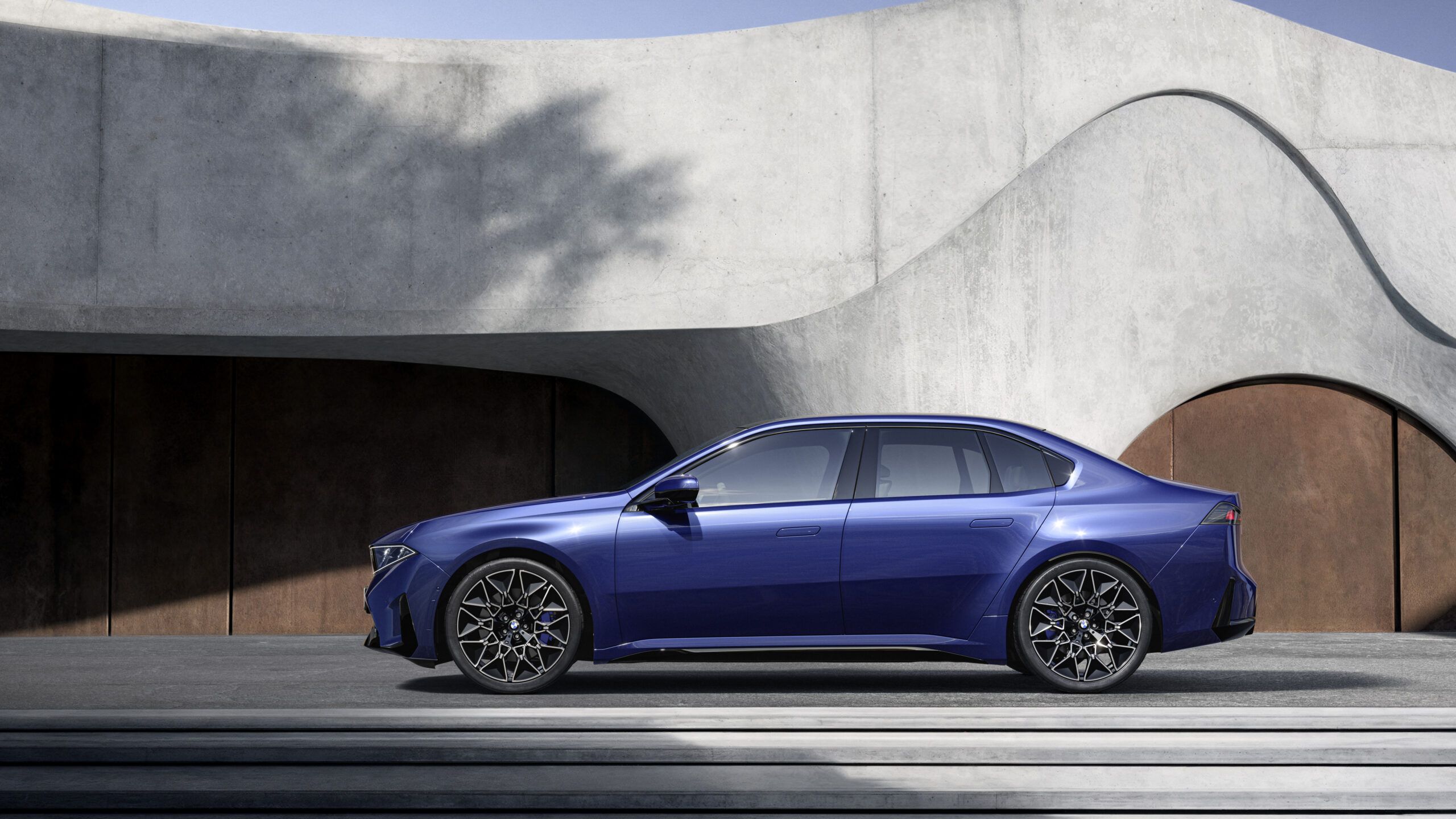
The new BMW i3 features a modern interpretation of the traditional sporting BMW saloon shape, with a long wheelbase, short overhangs, a sloping roofline and clean body surfaces.
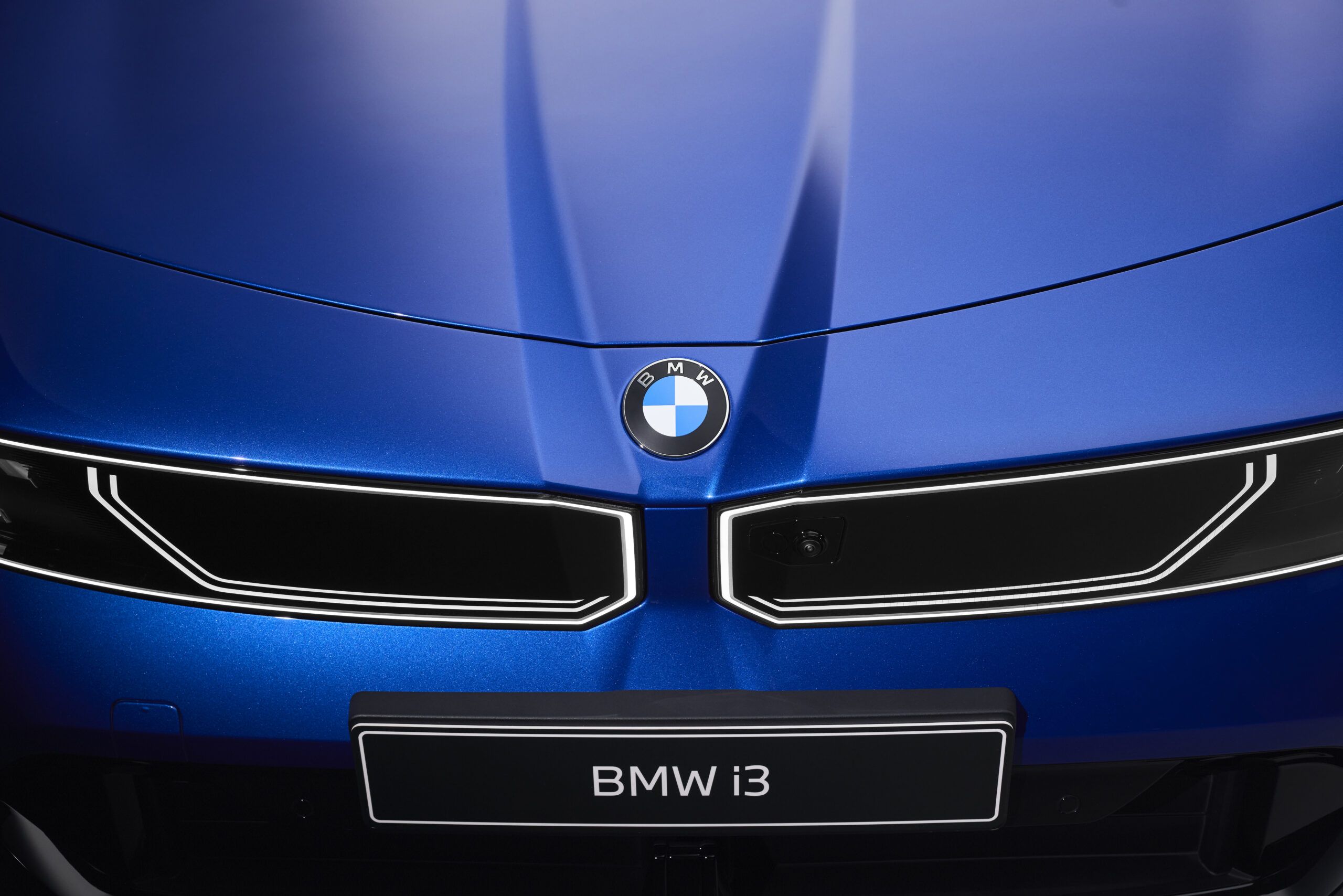
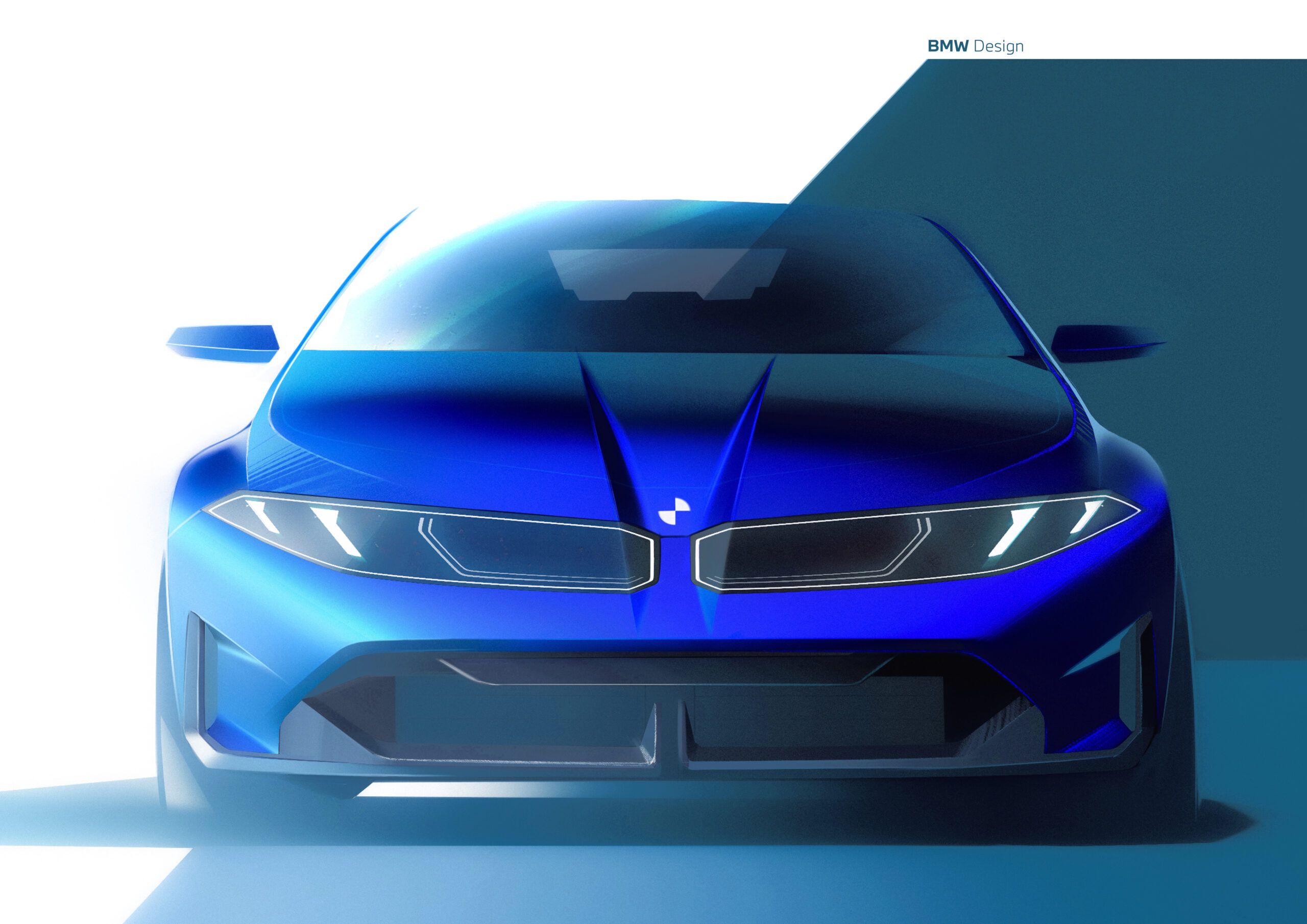
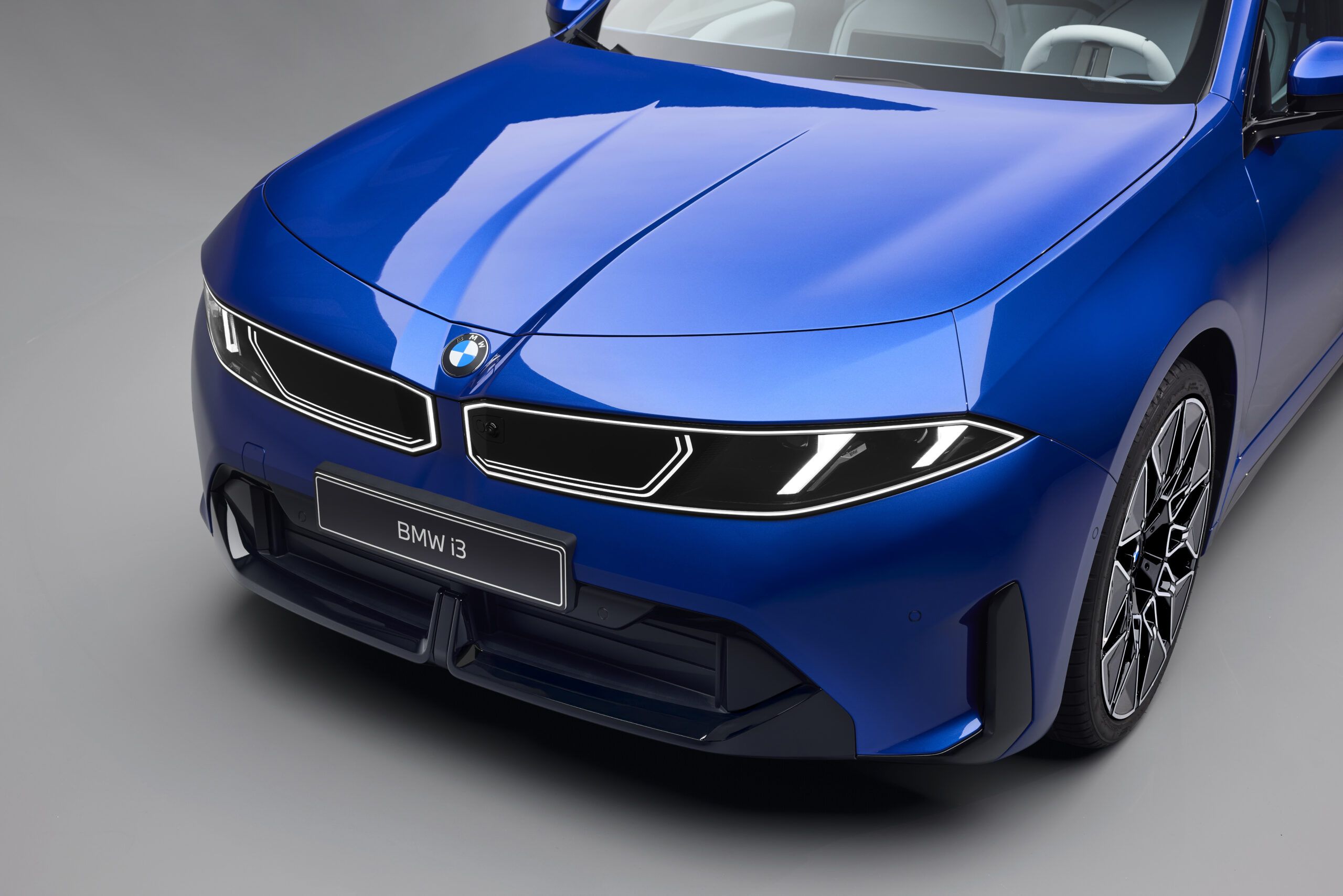
At the front, the new design introduces a distinctive shark-nose profile alongside a reimagined horizontal kidney grille. The headlights and grille are visually integrated into the front-end design, creating a completely new interpretation of one of BMW’s most recognisable features.
The result is clearly different from the current BMW 3 Series, but there are still familiar elements. BMW has not abandoned the traditional sporting proportions that have made the 3 Series such an important model for generations. Instead, it has reinterpreted them for a new generation.
Is This the Biggest Change to the BMW 3 Series in Decades?
There is a strong argument that it is.
The BMW 3 Series has evolved significantly since its introduction, but each generation has remained recognisable as part of the same family.
The Neue Klasse generation represents something more significant.
The exterior design is new. The electrical architecture is new. The digital operating environment is new. The approach to driving dynamics is evolving, and the fully electric BMW i3 introduces an entirely different drivetrain architecture from the combustion-engine 3 Series models that have traditionally formed the core of the range.
However, BMW is clearly trying to preserve one of the most important characteristics of the 3 Series: the connection between the driver and the car.
BMW i3: A New Chapter for the 3 Series
The name BMW i3 has been used before, but the new BMW i3 represents something very different from the original compact electric car.
The new model is positioned at the heart of BMW’s traditional sporting saloon territory and represents the company’s new generation of fully electric performance cars.
The BMW i3 50 xDrive launches with two electric motors, driving both the front and rear axles.
The combined system output is an impressive 469hp and 645Nm of torque.
That immediately demonstrates how much performance expectations have changed since the earliest generations of the BMW 3 Series.
For comparison, previous generations of performance-oriented 3 Series models built their reputation around turbocharged six-cylinder petrol engines and high-torque diesel engines. The new BMW i3 delivers substantial power and torque through an entirely different type of drivetrain.
Yet BMW’s objective remains familiar: strong performance combined with the driving characteristics expected from one of the company’s most important models.
The Importance of BMW’s New Proportions
One of the most interesting aspects of the new design is that BMW has deliberately retained the basic proportions associated with a traditional sporting saloon.
The long wheelbase and short overhangs remain important elements of the car’s overall shape.
This is significant because electric vehicles do not necessarily need to follow the same visual architecture as traditional combustion-engine cars.
BMW could have created something dramatically different.
Instead, the company has chosen to retain the fundamental visual characteristics that make the car immediately recognisable as a BMW sporting saloon.
The result is a modern 2.5-box design that looks towards the future while maintaining a connection with the history of the BMW 3 Series.
Neue Klasse Is About Much More Than Design
Although the new exterior styling will attract most of the initial attention, Neue Klasse is fundamentally a major technology programme.
The new BMW i3 introduces BMW’s sixth-generation electric drivetrain technology, known as Gen6.
The system incorporates an 800-volt electrical architecture designed to improve charging performance and efficiency.
The BMW i3 50 xDrive can charge at speeds of up to 400kW under suitable conditions, reflecting how rapidly electric vehicle technology is evolving.
But perhaps the most important aspect of Neue Klasse is the way BMW is combining drivetrain technology with software, digital systems and driving dynamics.
BMW is effectively moving towards a new generation of software-defined vehicles where increasingly advanced electronic systems play a major role in the way the car drives and interacts with the driver.
Heart of Joy: BMW’s New Approach to Driving Dynamics
BMW has always placed driving dynamics at the centre of its brand identity.
Neue Klasse introduces a new electronic architecture known as Heart of Joy.
This advanced control system is designed to coordinate important aspects of the vehicle’s drivetrain and driving dynamics.
For an electric vehicle, this is particularly important.
Electric motors can deliver torque almost instantly, which creates enormous opportunities for performance. However, the way that power is delivered and controlled is equally important.
BMW’s approach is therefore not simply to create increasingly powerful electric vehicles. The company is also focusing heavily on how that performance is managed.
This could become one of the defining characteristics of the Neue Klasse generation.
A Completely New Digital BMW Experience
The interior is another major part of the Neue Klasse transformation.
BMW is introducing its new Panoramic iDrive operating concept alongside BMW Operating System X.
The objective is to create a more driver-focused digital environment while reducing unnecessary complexity.
BMW Panoramic Vision presents important information across the lower section of the windscreen, helping place relevant information within the driver’s field of view.
The system works alongside a central display, multifunction steering wheel and, on applicable models, an advanced head-up display.
This represents another major change for the BMW 3 Series family.
BMW’s interiors have evolved significantly over the years, but Neue Klasse introduces a much more minimalist approach that combines digital technology with a cleaner and less cluttered cabin design.
What Could Neue Klasse Mean for Future BMW Performance?
For DTUK Performance, this is where the story becomes particularly interesting.
BMW has a long history of producing engines that have responded extremely well to performance tuning.
Over the years, the BMW 3 Series family has included some of the most popular petrol and diesel tuning applications in the UK.
From high-torque diesel models such as the 320d, 330d and 340d through to turbocharged petrol engines used in models such as the 330i and 340i, BMW has consistently remained an important manufacturer within the performance tuning market.
The Neue Klasse generation represents the beginning of a significant technological transition.
The new BMW i3 demonstrates how BMW performance is changing, with electric motors, advanced software and sophisticated driving-dynamics systems becoming increasingly important.
While traditional tuning boxes are designed around combustion and hybrid engine technology, the evolution towards electric vehicles creates new questions about the future of automotive performance products.
Areas such as accelerator response, driving modes and electronic vehicle control are likely to become increasingly important as the automotive market continues to move towards electrification.
Historical BMW Performance Potential
The BMW i3 is a completely new vehicle, and DTUK products and performance figures for this model should not be assumed before a compatible application has been properly developed and verified.
However, BMW’s historical importance within the performance tuning market gives us plenty of reason to watch the development of the next-generation 3 Series closely.
Previous BMW petrol and diesel engines have consistently demonstrated strong potential for increases in both power and torque when used with compatible DTUK tuning systems.
The exact gains depend heavily on the individual engine, original power output, vehicle specification and tuning architecture.
The arrival of Neue Klasse does not mean that historical combustion-engine tuning figures can simply be applied to the new BMW i3.
They cannot.
However, BMW’s long history of producing performance-focused vehicles and its continuing emphasis on driving dynamics make the new generation particularly important from a future DTUK perspective.
Could Future BMW Models Combine Old and New?
One of the most interesting aspects of the Neue Klasse programme is that BMW has indicated that the technology and design principles introduced through this new generation will influence a much broader range of future vehicles.
That means the changes currently being introduced through Neue Klasse could eventually influence models using different drivetrain technologies.
For performance enthusiasts, this creates an interesting transition period.
Traditional turbocharged petrol and diesel engines continue to play an important role in the automotive market, while hybrid technology and electric drivetrains are becoming increasingly significant.
The future BMW range is therefore likely to be more technologically diverse than ever before.
What Happens Next?
The BMW i3 is only one part of the Neue Klasse story.
BMW is using the programme to introduce a new generation of technology that is expected to influence its wider model range over the coming years.
For the company, this is not simply about replacing one vehicle with another.
It represents a fundamental evolution in:
- BMW design.
- Electric drivetrain technology.
- Digital vehicle architecture.
- Driver information systems.
- Charging technology.
- Driving dynamics.
- The future direction of the BMW range.
The BMW 3 Series has always been one of the most important cars in the company’s history.
Its next generation therefore provides an ideal opportunity for BMW to demonstrate what Neue Klasse means in the real world.
A DTUK Perspective on the Future of BMW
At DTUK Performance, we have spent many years developing performance and throttle response solutions for BMW vehicles.
That experience makes the Neue Klasse transition particularly interesting.
The future of automotive performance is changing.
Petrol and diesel engines continue to offer significant performance potential, while hybrid technology is creating new opportunities and electric vehicles are introducing an entirely different approach to acceleration and driving response.
BMW’s Neue Klasse programme sits directly at the centre of that transition.
Although DTUK products are not currently available for the new BMW i3, it is exactly the type of vehicle and technology that we will be watching closely as the next generation of BMW models develops.
The arrival of the Neue Klasse does not mean the end of BMW’s performance story.
Instead, it could represent the beginning of an entirely new chapter.
The Beginning of a New BMW Era
BMW has changed the 3 Series many times over the years.
However, the Neue Klasse generation feels different.
The combination of a completely new design language, electric drivetrain technology, advanced software architecture and a renewed focus on driving dynamics makes this one of the most significant developments in the history of the BMW brand.
The new BMW i3 demonstrates where the company is heading.
And with Neue Klasse technology expected to influence a much broader range of future BMW models, this could be only the beginning.
For BMW enthusiasts, the next few years are likely to bring some of the biggest changes the company has seen for decades.
For DTUK Performance, it is an exciting development that we will continue to follow closely.
Looking for performance products for your current BMW? Visit our BMW Tuning Boxes & PedalBox range to explore compatible DTUK products for your vehicle.