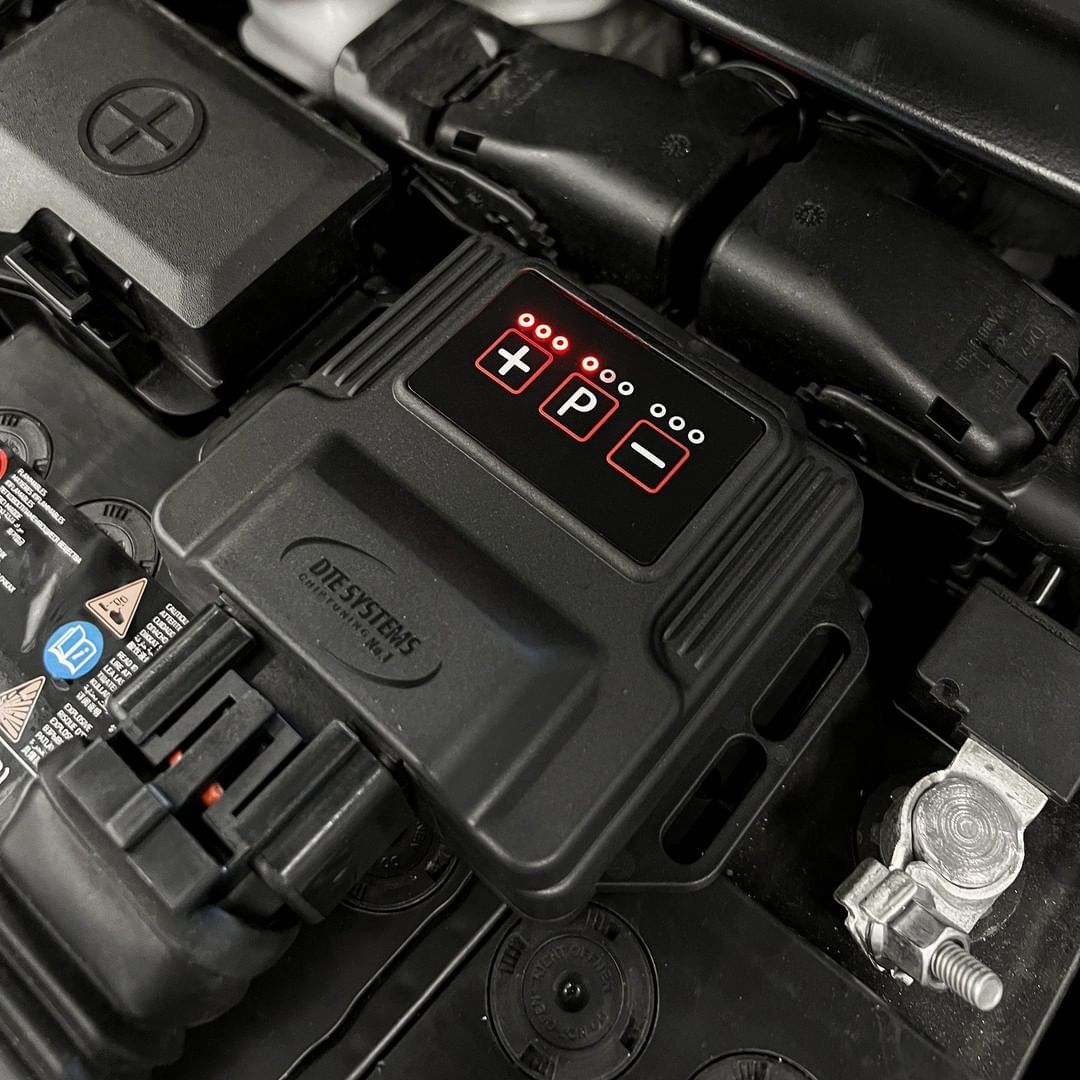


Tuning Box vs Remap on Locked ECUs – Why Plug & Play Is Becoming the Only Option in 2026
In recent years, vehicle manufacturers have significantly increased the security on their Engine Control Units. What used to be a relatively straightforward process of reading and rewriting the ECU software is now heavily restricted on many modern cars.
As a result, traditional remapping is becoming harder — and in some cases completely impossible — for newer vehicles. This shift is changing the performance upgrade landscape in the UK.
In this article we explain why locked ECUs are becoming more common, what this means for drivers who want more power, and why a high-quality plug-and-play tuning box is increasingly the only practical solution.
Why Are Manufacturers Locking Down ECUs?
Car makers have steadily introduced stronger encryption and security measures on their ECUs for several reasons:
- To protect against unauthorised software changes
- To maintain control over emissions and warranty systems
- To make it more difficult for aftermarket tuners to access the software
On many recent models it can take specialist developers months or even years to find a reliable way to unlock or work around these protections. During that time, owners of those vehicles simply have no remapping option available.
How ECU Security Encryption Works
Modern Engine Control Units are protected by multiple layers of security designed to prevent unauthorised access to the software.
Manufacturers now use advanced encryption and authentication methods so that the ECU will only accept software that has been digitally signed by the manufacturer or an authorised tool. In simple terms, the ECU “locks” itself and refuses to allow any external device to read or rewrite the original program unless the correct digital keys are presented.
These security measures can include:
- Encrypted memory that cannot be read without the correct access codes
- Digital signatures that verify whether a software file is genuine
- Secure boot processes that check the integrity of the software every time the car starts
- Protected communication protocols that block unofficial diagnostic tools
When these systems are active, traditional remapping tools are unable to communicate properly with the ECU. Developers then have to spend considerable time and resources trying to reverse-engineer the security — a process that can take many months or even years for each new vehicle platform.
A tuning box completely sidesteps this problem. Because it never tries to communicate with or unlock the ECU, the manufacturer’s encryption and security systems are irrelevant. The box simply works with the sensor signals downstream of the ECU, leaving the locked software completely untouched.
The Problem for Traditional Remapping
A conventional ECU remap relies on being able to read the original software, modify it, and write a new file back to the ECU. When the manufacturer locks the unit, this process is blocked or severely restricted.
Even when a solution is eventually found, it is often limited to specific models, requires specialist tools, and may carry higher risk. For many brand-new or recently released cars, a remap is simply not possible at the moment.
How a Tuning Box Avoids These Restrictions
A tuning box works in a completely different way. Instead of communicating with or rewriting the ECU, it connects to the engine’s sensors (typically fuel pressure, boost pressure and related signals).
It intercepts and modifies the signals the ECU receives. The ECU itself remains completely untouched and continues to run its original, factory software.
Because the tuning box never attempts to access or alter the ECU software, it is not affected by the manufacturer’s security locks. This means a quality tuning box can be fitted to the latest vehicles even when a remap is not yet available.
Key Advantages of a Tuning Box on Modern Cars
- Works on vehicles with locked ECUs
- Fully reversible – remove it and the car returns to standard
- No risk of corrupting or “bricking” the ECU
- Easy DIY installation in most cases
- Multi-map systems with adjustable power levels
- Can often be transferred to another vehicle
- Leaves no software trace that dealers can detect
Warranty Impact Disclaimer
It is important to understand how performance upgrades can affect your vehicle warranty.
Because a tuning box does not rewrite or modify the ECU software in any way, the risk of it being detected by a dealer is extremely low. When the unit is removed, the vehicle returns to its original factory condition with no electronic trace left behind.
However, no aftermarket performance product can be guaranteed to have zero impact on manufacturer warranty. Vehicle manufacturers retain the right to refuse warranty claims if they believe a modification has contributed to a fault.
We always recommend that customers:
- Remove the tuning box before taking the vehicle to a main dealer for warranty work
- Declare any modifications to their insurance provider
- Keep the original packaging and installation instructions so the system can be fully removed if required
DTUK tuning boxes are designed to be completely reversible for this reason, giving owners maximum flexibility and peace of mind.
Real-World Implications for Drivers in 2026
For owners of older vehicles where the ECU is still accessible, both a remap and a tuning box remain options. However, for drivers of newer petrol, diesel and hybrid models, the situation is changing rapidly.
If your car has a locked ECU, a plug-and-play tuning box is currently one of the few reliable ways to achieve a meaningful increase in power and torque without waiting for a remapping solution that may take years to appear — or may never arrive.
Why DTUK Tuning Boxes Are Well Suited to This Situation
DTUK systems are manufactured in Germany by DTE Systems and use multi-channel technology. They are designed to work by connecting to the sensors rather than interfering with the ECU software.
This approach makes them particularly effective on the latest vehicles where traditional remapping is restricted or unavailable. Combined with optional Bluetooth app control, multi-map adjustability and full reversibility, they offer a practical and flexible performance solution for modern cars.
Conclusion
As manufacturers continue to lock down their ECUs, the traditional remapping route is becoming less accessible for many drivers. A high-quality plug-and-play tuning box avoids these restrictions entirely by working with the sensors rather than the ECU itself.
For owners of newer vehicles who want more power and torque without the complications and delays associated with locked software, a modern tuning box is increasingly the most realistic and practical upgrade available in 2026.
If you would like to check what is available for your specific vehicle, use the search function on our website or contact us for advice.
Explore the options:
View our full range of tuning boxes and PedalBox systems